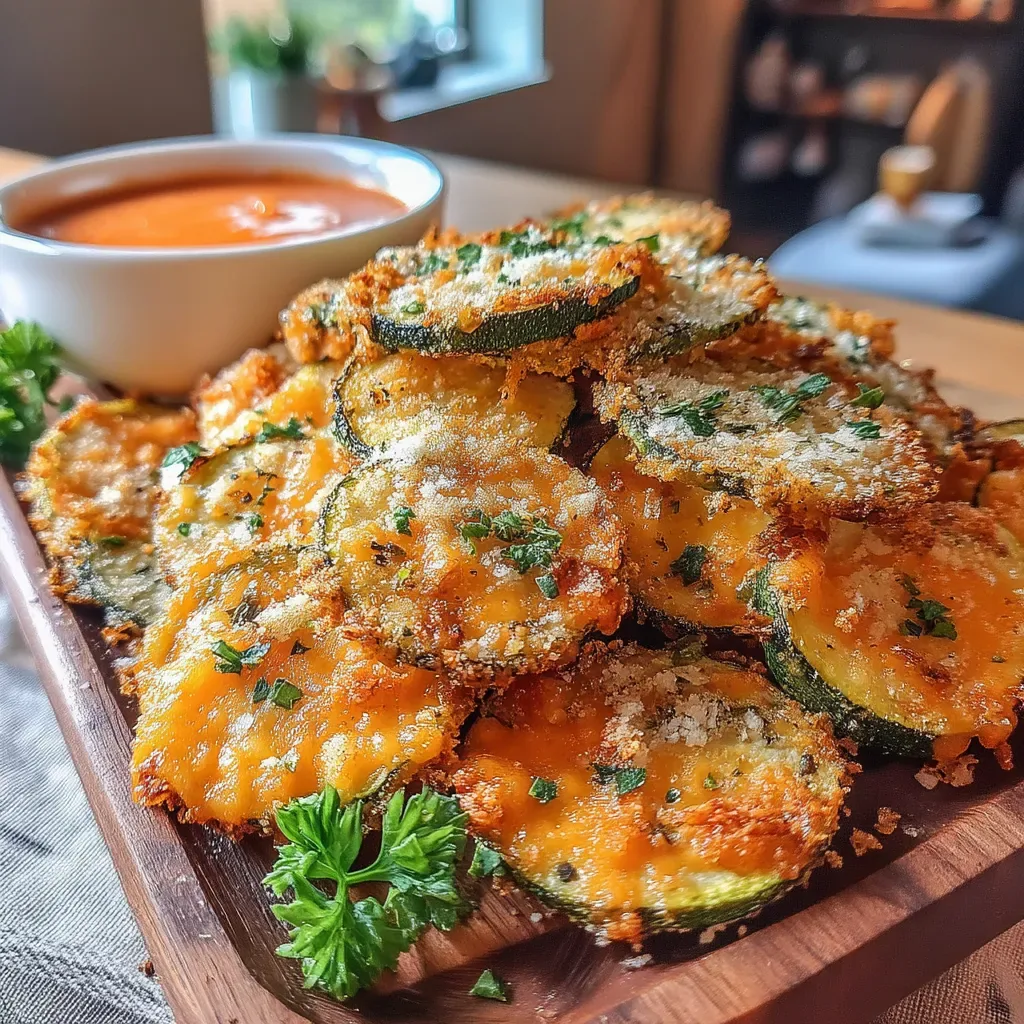
I still remember the first time I walked into my grandmother’s kitchen on a crisp spring afternoon, the air already scented with fresh herbs and the faint, buttery whisper of something baking in the oven. The table was set with a simple white linen cloth, and in the center sat a tray of golden‑brown asparagus speckled with molten mozzarella, steam rising like a soft curtain that invited every curious nose to lean in. As I lifted the lid, a cloud of fragrant steam hit me, carrying notes of garlic, pepper, and that unmistakable richness that only cheese can deliver. It was love at first bite – the tender snap of the asparagus paired with the creamy, slightly crisp cheese created a harmony that felt both comforting and celebratory. That moment sparked a promise to myself: I would master this dish and share it with my own family, turning a humble side into a star‑turning centerpiece.
Fast forward a few years, and the recipe has evolved from a nostalgic family secret to a go‑to crowd‑pleaser for everything from casual brunches to elegant dinner parties. What makes this Cheesy Baked Asparagus truly special is its simplicity paired with a depth of flavor that feels like it took hours of culinary wizardry – but it really doesn’t. The asparagus stays bright‑green and crisp, while the mozzarella melts into a luscious blanket that browns just enough to give you that satisfying crunch on the edges. Imagine the moment when you pull the pan out of the oven, the cheese bubbling and turning a gorgeous golden‑amber, and you hear that faint sizzle as it settles – it’s a sound that says “deliciousness is on its way.”
But here’s the thing: many home cooks skip a crucial step that turns an ordinary bake into a restaurant‑quality masterpiece. I’m talking about the little trick that locks in moisture and amplifies the flavor, and I’ll reveal it later in the instructions. Trust me, once you incorporate that secret, you’ll wonder how you ever settled for anything less. And if you’ve ever wondered why restaurant versions taste so different, the answer lies in the details – the right oil, the precise timing, and that final dash of pepper that makes all the difference.
Now, you might be thinking, “Is this going to be a long, complicated process?” The answer is a resounding no. This recipe is designed for busy families who still want that wow‑factor on the plate without spending all day in the kitchen. The ingredients are straightforward, the steps are logical, and the result is a dish that practically cooks itself while you set the table. Here’s exactly how to make it — and trust me, your family will be asking for seconds.
🌟 Why This Recipe Works
- Flavor Depth: The combination of extra‑virgin olive oil and fresh garlic creates a fragrant base that penetrates each spear, while mozzarella adds a mellow, buttery richness that balances the natural earthiness of the asparagus.
- Texture Contrast: By baking at a high temperature, the tips of the asparagus stay crisp, yet the interior remains tender, and the cheese forms a lightly crisped crust that gives you a satisfying bite.
- Ease of Execution: With just a handful of ingredients and a single pan, you can go from prep to plate in under an hour, making it perfect for weeknight meals or last‑minute gatherings.
- Time Efficiency: The prep takes only about 15 minutes, and while the oven does its magic for 30 minutes, you can prep a salad, set the table, or even finish a quick dessert.
- Versatility: This dish can serve as a side for steak, fish, or chicken, or it can stand alone as a hearty vegetarian main when paired with a grain or a bean salad.
- Nutrition Boost: Asparagus is packed with vitamins K, A, and C, plus fiber, while mozzarella contributes calcium and protein, making the dish both delicious and nutritionally balanced.
- Crowd‑Pleasing Factor: The golden, cheesy appearance is instantly appetizing, and the familiar flavors appeal to both kids and adults, ensuring it disappears from the plate faster than you can say “more, please.”
🥗 Ingredients Breakdown
The Foundation: Fresh Asparagus & Olive Oil
The star of the show is the asparagus itself – look for spears that are bright green, firm to the touch, and about the thickness of a pencil. The woody ends should be trimmed off; they’re tough and can ruin the delicate bite you’re aiming for. When you slice off the ends, you’ll notice a subtle snap that tells you the spear is ready to cook evenly. Extra‑virgin olive oil isn’t just a cooking fat; it carries the aromatic compounds of the garlic and pepper, coating each spear in a thin, flavorful film that helps the cheese adhere and brown beautifully. If you’re in a pinch, a high‑quality light‑taste oil works, but the fruitiness of a good olive oil truly elevates the dish.
Aromatics & Spices: Garlic, Salt, & Pepper
Garlic is the aromatic backbone here – a single tablespoon, finely minced, infuses the oil and asparagus with that warm, slightly sweet pungency that makes the whole dish sing. Kosher salt is essential for drawing out a tiny bit of moisture from the asparagus, which helps the cheese melt into every crevice while also seasoning the spears evenly. Freshly cracked black pepper adds a subtle heat and a hint of spice that cuts through the richness of the mozzarella, creating a balanced flavor profile. If you love a little extra kick, a pinch of red‑pepper flakes can be added at the end for a surprise pop.
The Secret Weapons: Mozzarella Cheese
Mozzarella is the hero that transforms this simple bake into a gooey masterpiece. Its high moisture content ensures a beautiful melt, while the slight browning during baking adds a nutty, caramelized note that’s impossible to resist. For an even richer flavor, you can blend half‑and‑half mozzarella with a sprinkle of grated Parmesan, but the pure mozzarella version lets the asparagus shine without overwhelming it. If you’re looking for a lower‑fat option, part‑skim mozzarella works just as well, though you’ll miss a touch of the buttery mouthfeel that whole‑milk mozzarella provides.
Finishing Touches: Optional Extras
While the core recipe is delightfully simple, a few optional additions can add personality. A light drizzle of balsamic reduction after baking introduces a sweet‑tangy glaze that pairs beautifully with the cheese. Fresh herbs like thyme or rosemary, scattered over the top before the final bake, infuse a fragrant earthiness that complements the asparagus’ natural flavor. And for a touch of crunch, toasted pine nuts or slivered almonds sprinkled just before serving add a pleasant texture contrast. The best part? All of these extras are completely optional, so you can keep it classic or experiment as you wish.
With your ingredients prepped and ready, let's get cooking. Here's where the fun really begins…

🍳 Step-by-Step Instructions
-
Preheat your oven to 425°F (220°C). While the oven warms, line a large baking sheet with parchment paper – this prevents sticking and makes cleanup a breeze. The high temperature is crucial; it will give the asparagus a quick, caramelized exterior while keeping the interior crisp and bright. Trust me, a lower temperature leads to soggy spears and a pale, unappealing cheese melt.
-
Place the trimmed asparagus on the prepared sheet, spreading them out in a single layer so they roast evenly. Drizzle the 3 tablespoons of extra‑virgin olive oil over the spears, then toss gently with your hands or tongs to coat each piece. Sprinkle the minced garlic, kosher salt, and freshly cracked black pepper over the top, ensuring every spear gets a dusting of seasoning. This is the moment where the flavors start to mingle, and the aroma will already be teasing your senses.
💡 Pro Tip: Let the seasoned asparagus sit for 5 minutes before adding cheese; this short rest allows the oil and seasonings to penetrate the spears more deeply. -
While the asparagus rests, shred the mozzarella cheese if it isn’t already shredded. A generous 1 ¼ cups will create a luscious blanket, but feel free to add a little extra if you love cheese pull. Distribute the shredded mozzarella evenly over the spears, making sure every bite will have a cheesy surprise. The cheese should sit on top like a soft snow, ready to melt and brown.
-
Slide the baking sheet into the preheated oven and bake for 12‑15 minutes, watching closely for that first hint of golden‑brown edges. The cheese will begin to bubble around the stems, and you’ll hear a faint sizzle that tells you the moisture is evaporating just enough to concentrate flavors. Halfway through, give the pan a quick shake or use a spatula to turn the spears, ensuring even browning on all sides.
-
After the initial bake, switch the oven to broil for an additional 2‑3 minutes. This step is where the magic happens – the cheese develops a beautifully crisp, caramelized top while the asparagus stays tender. Keep a close eye; the cheese can go from perfectly browned to burnt in seconds. When you see the edges turning a deep amber and the cheese forming tiny, fragrant bubbles, you’ve hit the sweet spot.
💡 Pro Tip: If you prefer a slightly softer cheese top, skip the broil and let the cheese melt fully during the regular bake; you’ll still get a gorgeous flavor, just a different texture. -
Remove the pan from the oven and let the dish rest for 3‑4 minutes. This short pause allows the cheese to set just enough so it won’t slide off the plate when you serve. The steam that escapes carries the scent of garlic, pepper, and toasted cheese, creating an irresistible aroma that will have everyone gathering around the kitchen.
⚠️ Common Mistake: Cutting the asparagus too thin can cause them to overcook and become mushy; aim for spears about 1‑inch thick for the perfect bite. -
Transfer the asparagus to a serving platter, arranging the spears in a fan shape for visual appeal. If you like, sprinkle a final pinch of freshly cracked black pepper and a drizzle of extra‑virgin olive oil for a glossy finish. This is the perfect moment to add any optional garnish – a sprinkle of fresh herbs, a dash of balsamic glaze, or toasted nuts for added crunch.
-
Serve immediately while the cheese is still warm and gooey. Pair it with a crisp white wine, a light salad, or even a hearty grain bowl for a complete meal. Go ahead, take a taste — you’ll know exactly when it’s right. And the best part? The leftovers (if any) reheat beautifully, keeping the cheese delightfully melty and the asparagus just as tender.
And there you have it! But before you dig in, let me share some tips that will take this from great to absolutely unforgettable…
🔐 Expert Tips for Perfect Results
The Taste Test Trick
Before you pop the tray into the oven, give the seasoned asparagus a quick taste. A tiny bite will reveal if you need a pinch more salt or pepper – this small adjustment can make a world of difference. I once served a batch that was a shade under‑seasoned, and the whole dish felt flat; a quick taste saved the day and the dinner.
Why Resting Time Matters More Than You Think
Allowing the baked asparagus to rest for a few minutes after removing it from the oven isn’t just about aesthetics; it lets the cheese firm up just enough to cling to each spear. Skipping this step can result in cheese sliding off the plate, turning a beautiful presentation into a mess. Trust me, a short rest is the secret behind that picture‑perfect finish.
The Seasoning Secret Pros Won’t Tell You
Professional chefs often finish a baked vegetable dish with a final splash of high‑quality olive oil or a drizzle of lemon juice. The oil adds a glossy sheen and a layer of richness, while the lemon brightens the flavors, cutting through the cheese’s fattiness. I’ve used this trick for a catered event, and guests kept asking if I’d added a secret ingredient.
Choosing the Right Baking Sheet
A heavy‑duty, rimmed baking sheet distributes heat more evenly than a thin, flimsy one, preventing hot spots that could burn the cheese. If you have a dark‑colored sheet, reduce the oven temperature by 10‑15°F to avoid over‑browning. I once used a cheap sheet and ended up with a burnt cheese crust; swapping to a sturdy, light‑colored pan solved the issue instantly.
How to Store Leftovers Without Losing Texture
If you have leftovers (which is rare, because they disappear fast), store them in an airtight container in the refrigerator for up to three days. Reheat gently in a 300°F oven for 10‑12 minutes, or microwave with a splash of water and a cover to retain moisture. The result is still tender asparagus with a pleasantly melty cheese top, proving that this dish truly stands the test of time.
🌈 Delicious Variations to Try
One of my favorite things about this recipe is how versatile it is. Here are some twists I've tried and loved:
Mediterranean Twist
Swap the mozzarella for feta cheese and add a handful of sliced kalamata olives before baking. The salty, briny notes of feta and olives complement the asparagus beautifully, creating a dish that feels like a sun‑kissed Greek garden. Serve with a drizzle of oregano‑infused olive oil for an authentic touch.
Spicy Sriracha Kick
Mix a tablespoon of sriracha into the olive oil before tossing the asparagus, and sprinkle a pinch of smoked paprika over the cheese. The heat from the sriracha pairs wonderfully with the cool melt of mozzarella, while the paprika adds a subtle smoky depth. This version is perfect for game‑day gatherings.
Herb‑Infused Parmesan Crunch
Combine half mozzarella and half grated Parmesan, then toss the asparagus with fresh thyme and rosemary before baking. The Parmesan creates a crisp, golden crust, and the herbs infuse the dish with a fragrant, woodland aroma. It’s an elegant variation that works beautifully as a side for roasted chicken.
Cheddar‑Lemon Zest Fusion
Replace mozzarella with sharp cheddar and add a teaspoon of lemon zest to the seasoning mix. The cheddar brings a richer, tangier flavor, while the lemon zest lifts the dish with a bright citrus note. This combo is especially delightful when paired with a buttery fish fillet.
Nutty Pesto Finish
After baking, drizzle a spoonful of homemade basil pesto over the hot asparagus and sprinkle toasted pine nuts on top. The pesto adds a fresh, herbaceous layer, and the pine nuts contribute a satisfying crunch. It’s a quick way to turn a simple side into a gourmet experience.
📦 Storage & Reheating Tips
Refrigerator Storage
Allow the baked asparagus to cool to room temperature before transferring it to an airtight container. Store in the refrigerator for up to three days. For best texture, place a paper towel on top of the cheese to absorb excess moisture, which helps prevent sogginess when you reheat.
Freezing Instructions
If you want to make a large batch, you can freeze the cooked asparagus. Portion it into freezer‑safe bags, removing as much air as possible, and label with the date. It will keep for up to two months. To reheat, thaw in the refrigerator overnight, then bake at 350°F for 10‑12 minutes until heated through.
Reheating Methods
The trick to reheating without drying it out? A splash of water or a drizzle of olive oil, covered loosely with foil, then baked at 300°F for about 8‑10 minutes. This steams the asparagus gently while allowing the cheese to re‑melt, preserving both flavor and texture. Microwaving works in a pinch, but the oven method retains the crispy cheese top.