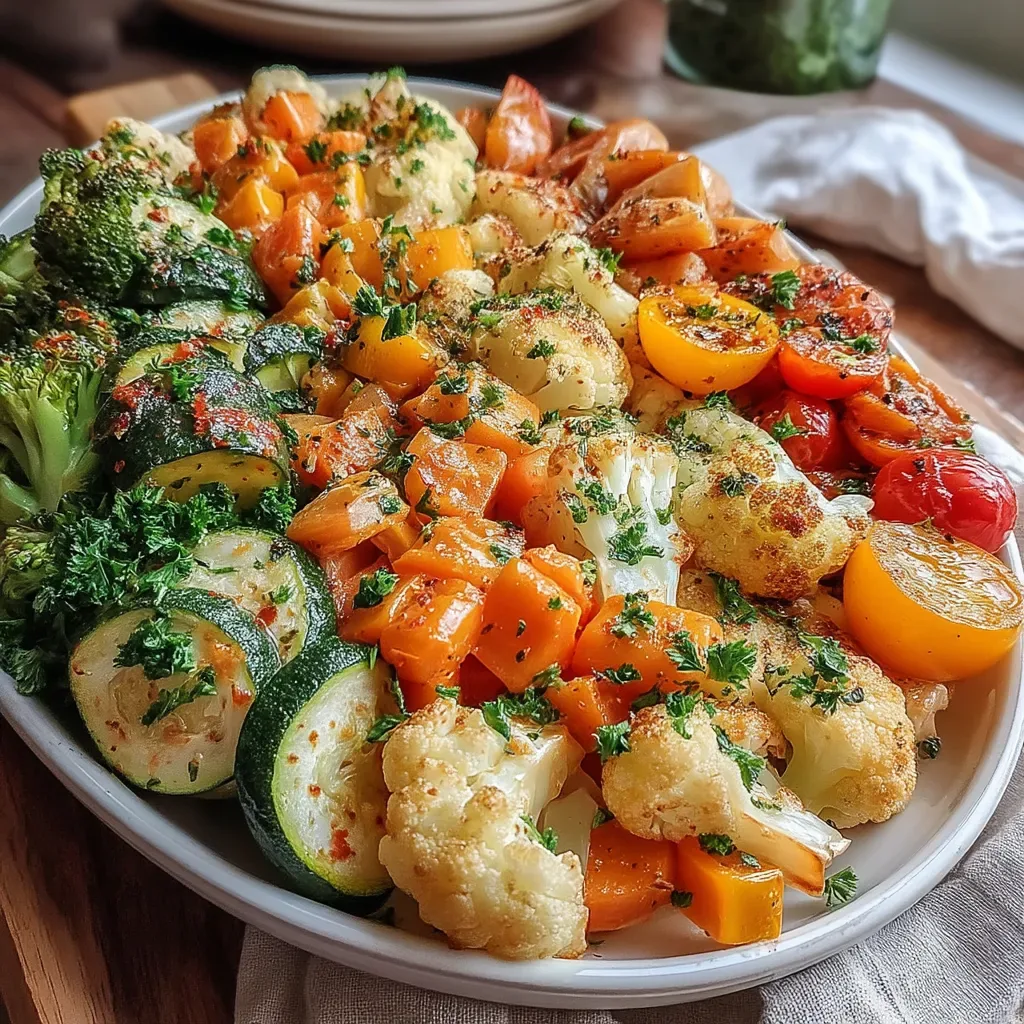
Why You'll Love This Recipe
The first time I sliced a sweet potato into perfect circles was in my grandmother’s kitchen, a modest cottage nestled among the rolling hills of upstate New York. She had a wooden cutting board that smelled faintly of cedar and a cast‑iron skillet that had seen generations of family meals. As a child, I watched her coax the orange flesh into delicate medallions, each one glistening with a thin sheen of butter before she tossed them into the oven. The aroma that rose—sweet, earthy, and subtly smoky—became a signature scent of home for me, a reminder that comfort can be both simple and elegant.
Years later, after moving to a bustling city and juggling a demanding career, I found myself yearning for that same grounding ritual. I began experimenting in my modest apartment kitchen, swapping the old cast‑iron for a sleek sheet pan, the butter for heart‑healthy olive oil, and adding a pinch of smoked paprika for a modern twist. The medallions turned out just as mesmerizing—golden edges, tender centers, and a flavor profile that felt both nostalgic and fresh. It was a revelation: a single vegetable, treated with respect, could become the star of a plate rather than a side note.
What makes Sweet Potato Medallions truly special is the marriage of texture and nutrition. The natural sugars caramelize to create a crisp, caramel‑kissed exterior, while the interior remains creamy and fluffy. This contrast satisfies cravings for both crunch and comfort, making the dish suitable for anyone from picky eaters to health‑conscious foodies. Moreover, the recipe’s flexibility—whether you serve them alongside a lean protein, drizzle them with a tahini‑lemon sauce, or sprinkle them with toasted pumpkin seeds—means they can adapt to any culinary theme. In short, these medallions embody the philosophy that wholesome food can be both beautiful and unforgettable.
Instructions
Step 1: Prepare the Sweet Potatoes
Begin by washing each sweet potato under cool running water, using a vegetable brush to scrub away any residual dirt. Pat them dry with a clean kitchen towel. Place each potato on a cutting board and, using a sharp chef’s knife, trim off both ends to create stable, flat surfaces. This stability is essential for slicing uniform medallions without the potato rolling away. Once trimmed, stand each potato upright on one of its flat ends. With a steady hand, slice the potato into ½‑inch thick rounds, aiming for perfectly even circles. Uniform thickness ensures consistent cooking; if any slices are thicker, they may remain undercooked while thinner ones could become overly crisp.
Step 2: Soak to Remove Excess Starch
Transfer the sliced medallions into a large bowl filled with cold water. Let them soak for at least 10 minutes, stirring gently every few minutes. This step leaches out surface starch, which prevents the medallions from sticking together during roasting and promotes a crispier exterior. After soaking, drain the water using a colander, then spread the medallions on a clean kitchen towel. Pat them dry thoroughly; any remaining moisture will steam the potatoes rather than roast them, resulting in a soggy texture rather than the desired caramelized crust.
Step 3: Season the Medallions
In a large mixing bowl, combine the olive oil, flaky sea salt, freshly ground black pepper, chopped rosemary, and smoked paprika. Whisk together until the mixture forms a glossy emulsion. Add the dried medallions to the bowl, tossing gently with your hands or a silicone spatula to ensure each piece is evenly coated. The oil acts as a conduit for the seasonings, helping them adhere to the surface while also facilitating even browning. Allow the seasoned medallions to rest for 5 minutes; this brief pause lets the salt draw a tiny amount of moisture to the surface, which later evaporates, intensifying flavor.
Step 4: Arrange on a Baking Sheet
Line a rimmed baking sheet with parchment paper or a silicone baking mat to prevent sticking and aid cleanup. Spread the seasoned medallions in a single, non‑overlapping layer, leaving at least a centimeter of space between each piece. Overcrowding traps steam, which hinders caramelization and results in a softer, less appealing texture. If your pan cannot accommodate all medallions at once, use a second sheet and rotate them halfway through the cooking time for even browning. The parchment also helps the medallions release easily after roasting, preserving their shape.
Step 5: Roast at High Heat
Preheat your oven to 425°F (220°C). Once the oven reaches temperature, slide the prepared baking sheet onto the middle rack. Roast the medallions for 12 minutes, then carefully flip each piece using a thin spatula or tongs. Flipping promotes even caramelization on both sides and prevents one side from becoming overly crisp while the other stays pale. Return the sheet to the oven and continue roasting for an additional 10‑12 minutes, or until the edges are deep golden‑brown and the centers are tender when pierced with a fork. The total cooking time may vary slightly based on slice thickness and oven performance.
Step 6: Finish with Toasted Pumpkin Seeds
While the medallions finish roasting, place the toasted pumpkin seeds in a small dry skillet over medium heat. Stir constantly for 2‑3 minutes until they turn a deep amber and release a nutty fragrance. This quick toast enhances their crunch and brings out natural oils. Once the medallions are out of the oven, immediately sprinkle the warm seeds over the top, allowing the residual heat to lightly adhere them to the surface. The seeds add a contrasting texture that elevates the dish from simple to sophisticated.
Step 7: Rest and Plate
Transfer the roasted medallions to a serving platter. Allow them to rest for 3‑4 minutes; this short pause lets the interior steam settle, preserving a fluffy texture while the exterior remains crisp. Arrange the medallions in a circular pattern or overlapping fan for visual impact. Drizzle a thin ribbon of extra‑virgin olive oil over the top if desired, and garnish with a few extra rosemary leaves for color contrast. Serve immediately while warm, as the medallions lose their crispness when they cool for an extended period.
Step 8: Enjoy and Adapt
Take a moment to admire the glossy, caramelized edges and the fragrant herbs that cling to each medallion. Pair them with your favorite protein, a fresh salad, or a dipping sauce of your choice. The beauty of this recipe lies in its adaptability—feel free to experiment with additional spices, different nuts, or even a sprinkle of feta for a salty contrast. The core technique—soaking, seasoning, and high‑heat roasting—remains the same, ensuring consistent, delicious results every time you return to this comforting, healthy classic.
Expert Tips
Tip #1: Use a Hot Baking Sheet
Pre‑heating the baking sheet for at least five minutes creates an instant sizzle when the medallions make contact, jump‑starting the Maillard reaction. This results in a deeper caramel color and a crunchier crust compared to placing the potatoes on a cold sheet. Just be careful when handling the hot sheet—use oven mitts and a sturdy spatula.
Tip #2: Dry Thoroughly After Soaking
Excess moisture is the enemy of crispness. After the starch‑removing soak, spread the slices on a clean kitchen towel and pat them dry with another towel. For extra assurance, let them air‑dry for a couple of minutes. The drier the surface, the more efficiently the oil can coat the medallion, leading to a uniform golden exterior.
Tip #3: Don't Overcrowd the Pan
Overcrowding traps steam, which softens the medallions and prevents browning. If necessary, use two baking sheets or roast in batches. Maintaining space between each slice allows hot air to circulate, producing a uniformly crisp texture across the entire batch.
Tip #4: Flip Carefully
Use a thin, flexible spatula or two large tongs to turn each medallion without breaking it. A gentle lift-and-turn motion preserves the shape, ensuring that the finished plate looks as polished as it tastes.
Tip #5: Add a Finish Acid
A light drizzle of fresh lemon juice or a splash of aged balsamic vinegar right before serving brightens the sweet earthiness and balances the richness of the oil. Use sparingly—just enough to add a subtle zing without overpowering the natural flavors.
Tip #6: Store in a Single Layer
When refrigerating leftovers, place the medallions in a shallow airtight container without stacking. This prevents steam from condensing on top of the lower pieces, which would make them soggy. Reheat on a hot skillet or in a preheated oven to restore crispness.
Common Mistakes
- Mistake 1 – Skipping the Soak: Without soaking, excess surface starch causes the medallions to stick together and prevents a crisp exterior. The result is a gummy texture rather than a caramelized crunch.
- Mistake 2 – Using Too Much Oil: Over‑oiling leads to soggy medallions and a greasy mouthfeel. The oil should lightly coat each slice; a drizzle and toss is sufficient.
- Mistake 3 – Overcrowding the Pan: Crowding traps steam, which steams the potatoes instead of roasting them. This yields a soft, unevenly cooked product.
- Mistake 4 – Not Flipping Mid‑Roast: Failing to turn the medallions results in one side being overly browned while the other remains pale and under‑caramelized.
- Mistake 5 – Storing While Hot: Placing warm medallions directly into a sealed container traps steam, making them soggy. Cool them completely before sealing.
Variations
The basic medallion framework is a canvas for creativity. Below are several ways to customize the dish while retaining its healthful core.
- Spicy Chipotle: Replace smoked paprika with chipotle powder and add a teaspoon of honey for a smoky‑sweet heat. Finish with a sprinkle of fresh cilantro.
- Mediterranean Twist: Swap rosemary for oregano and add crumbled feta cheese after roasting. Drizzle with a lemon‑olive oil vinaigrette and garnish with Kalamata olives.
- Sweet‑Maple Glaze: Toss the medallions with a mixture of pure maple syrup, a dash of soy sauce, and a pinch of ground ginger before roasting. The glaze caramelizes, giving a glossy, sweet finish.
- Herb‑Infused Yogurt Dip: Serve the medallions with a side of Greek yogurt mixed with minced dill, garlic, and lemon zest. The cool dip balances the warm, earthy medallions.
- Coconut‑Lime Crunch: Add shredded unsweetened coconut to the oil mixture and finish with a zest of lime. The tropical notes pair beautifully with the natural sweetness of the potatoes.
Storage & Reheating
Cooling: Allow the medallions to come to room temperature on a wire rack; this prevents condensation from forming inside the storage container. Refrigeration: Transfer to an airtight container, arranging a single layer if possible. They will keep fresh for up to 4 days. Freezing: For longer storage, flash‑freeze on a parchment‑lined tray, then move to a zip‑top freezer bag; they retain quality for 2 months. Reheating: Preheat the oven to 400°F (200°C) and spread the medallions on a parchment sheet. Heat for 8‑10 minutes, turning once, until the exterior regains its crispness. A hot skillet with a splash of oil works equally well for a quick stovetop revival.
Serving Suggestions
Sweet Potato Medallions are versatile enough to serve as a side, a main, or a snack. Pair them with:
- Grilled lemon‑herb chicken breast for a protein‑rich entrée.
- A quinoa‑and‑arugula salad tossed in a citrus vinaigrette for a light, balanced plate.
- A dollop of avocado‑lime crema for a creamy contrast.
- A side of black bean salsa with corn and cilantro for a Mexican‑inspired meal.
- Simply as an elegant appetizer with a honey‑mustard dip and a glass of chilled rosé.
Nutrition
Per serving (1/4 of the recipe)